The Science of the Seat
Engineering comfort that endures Mach 0.90.
Uncompromising Compliance
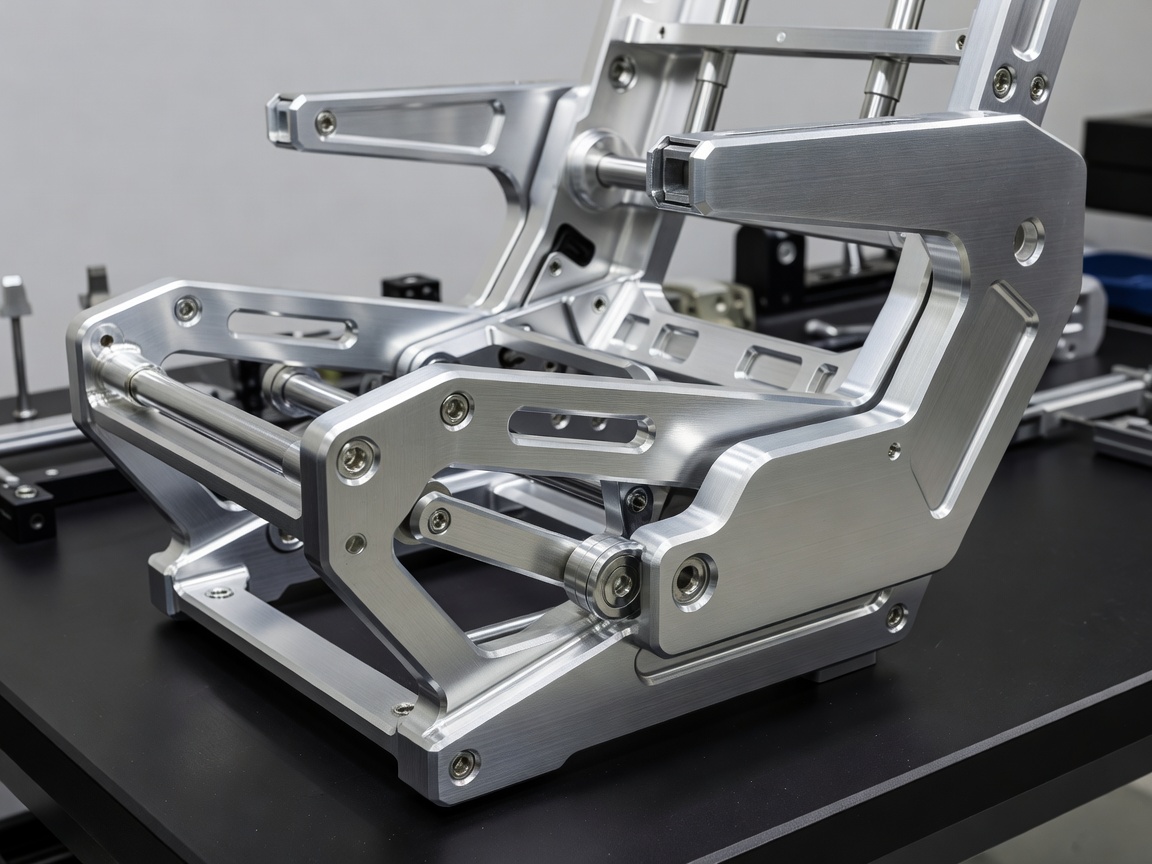
Before a single yard of Scottish leather is cut, the skeletal structure of a private aircraft seat must pass catastrophic stress tests. The Federal Aviation Administration mandates that modern cabin seating withstand 16 times the force of gravity (16G). This means the intricate internal mechanisms that allow a seat to swivel, track, and recline must also be incredibly rigid, turning the design process into an extreme engineering paradox.
Dynamic Certification
To achieve 16G certification, sled testing is employed. Anthropomorphic test dummies measure lumbar spine loads and head injury criteria, ensuring the plush aesthetic does not compromise occupant survivability.
Bespoke Foaming
Seat density is mapped to the specific owner's physiology. Multi-density foams are layered strategically to prevent pressure points from forming during flights aboard ultra-long-range jets like the Bombardier Global 8000.
Pneumatic Massage
Integrated pneumatic bladders provide subtle, silent massage therapies, enhancing blood flow and preventing deep vein thrombosis without the mechanical hum of traditional motors.
Sustainably Sourced Hides
Tanneries specializing in aerospace leathers treat hides to strict burn-certification standards (FAR 25.853) while maintaining a buttery, uncorrected grain that develops a rich patina over thousands of flight hours.